The Department of Oral Pathology is equipped with comprehensive academic, clinical, diagnostic, and research facilities designed to support undergraduate and postgraduate education, patient care, diagnostic services, and advanced research activities in oral and maxillofacial pathology.
Undergraduate Facilities
The department provides dedicated academic facilities for undergraduate dental education, including:
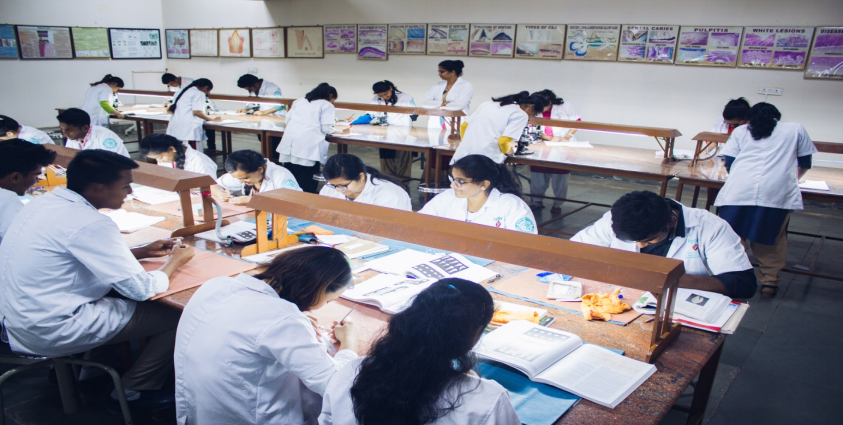
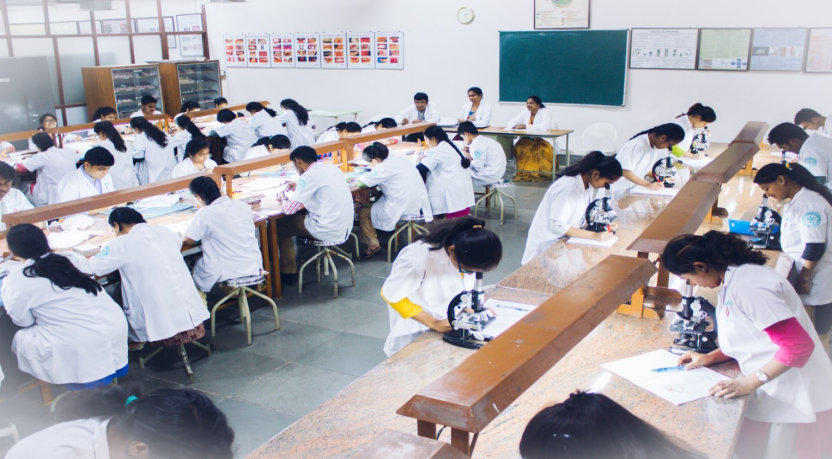
- Student Laboratories equipped to support practical training in Dental Anatomy, Oral Histology, Oral Pathology, and Microbiology.
- Dedicated Lecture Halls for I BDS, II BDS, and III BDS students.
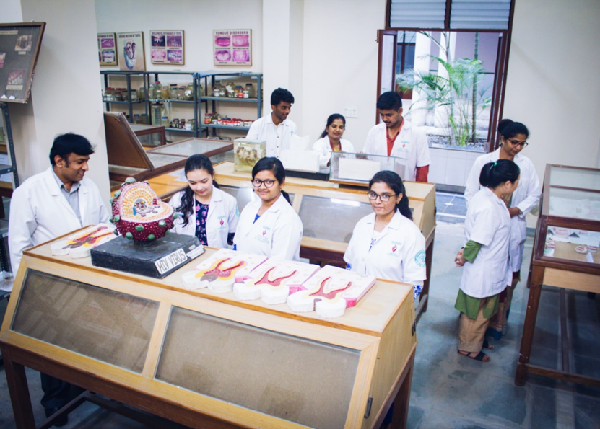
- Oral Pathology Museum with an extensive collection of:
- Pathological specimens
- Teeth and tooth-related specimens
- Hard and soft tissue specimens
- Educational charts and models
- Representative pathological lesions
The museum serves as an important resource for student learning, practical demonstrations, and patient education.
Postgraduate Facilities
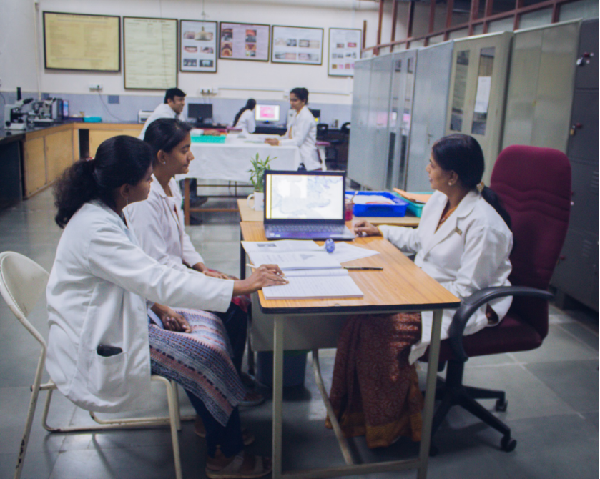
The department provides dedicated infrastructure and learning resources for postgraduate education and training, including:
- Postgraduate Laboratory
- Postgraduate Room
- Postgraduate Seminar Room
- Postgraduate Clinic
- Department Library
- Extensive collection of microscopic slidesrepresenting a wide spectrum of head and neck pathological lesions
These facilities support postgraduate training in diagnostic pathology, clinical correlation, seminars, case discussions, and research.
Clinical Facilities
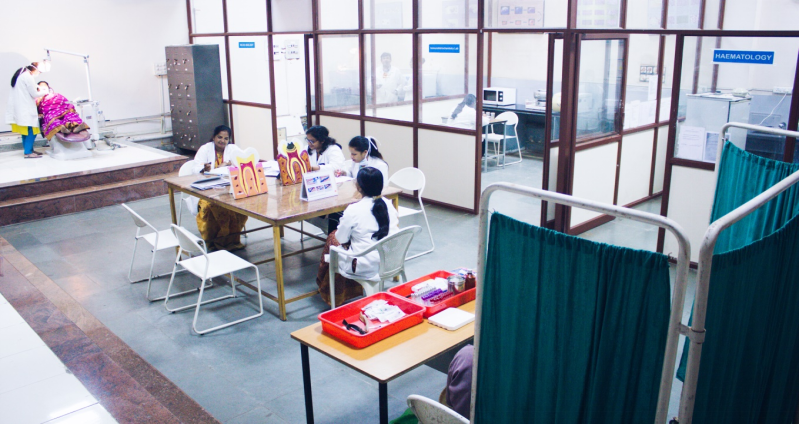
The Department of Oral Pathology provides dedicated facilities for clinical and chairside diagnostic procedures.
- Eight dental chairsare available for clinical procedures and chairside diagnostic evaluation.
- The department maintains an extensive collection of microscopic slides covering a broad spectrum of head and neck pathology.
- Dedicated clinical infrastructure supports the evaluation, diagnosis, and management of patients requiring oral pathological investigations.
Research Facilities
The department provides a conducive environment for academic and translational research in collaboration with the Central Research Laboratory and Central Genetic Laboratory.
Facilities include:
- Infrastructure for undertaking basic, clinical, and collaborative research activities
- Access to advanced microscopy and laboratory equipment
- Facilities for tissue-based and microscopic investigations
- Collaborative research support through central institutional laboratories
Advanced Microscopy
The department is equipped with a Research Microscope – Olympus BX51, featuring:
- Phase-contrast microscopy
- Polarizing attachment
- Fluorescence attachment
- Jenoptik Progress CT imaging and analysis software
Additional microscopy facilities include:
- Stereomicroscope
- Adequate number of compound binocular microscopes
These facilities support routine teaching, diagnostic evaluation, documentation, and research.
Histopathology Laboratory
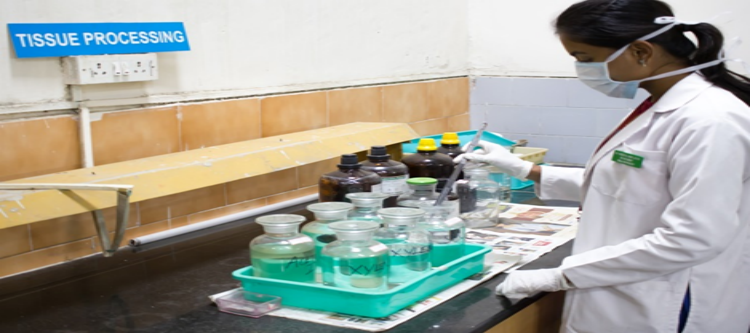
The Histopathology Laboratory is equipped with facilities for tissue processing, sectioning, staining, and slide preparation, including:
- Semiautomatic Microtome
- Manual Microtome
- Water Bath
- Paraffin Wax Bath
- Tissue Floatation Bath
- Slide Warming Table
- Microwave Oven
- Hot Air Oven
- Bacterial Incubator
- pH Meter
These facilities facilitate efficient processing and preparation of tissue specimens for histopathological examination.
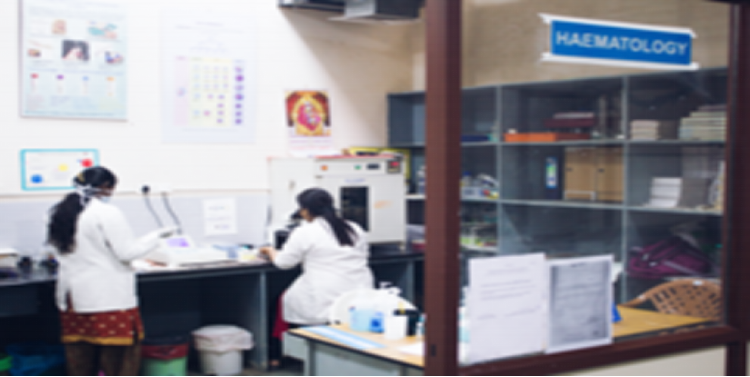
Haematology Laboratory
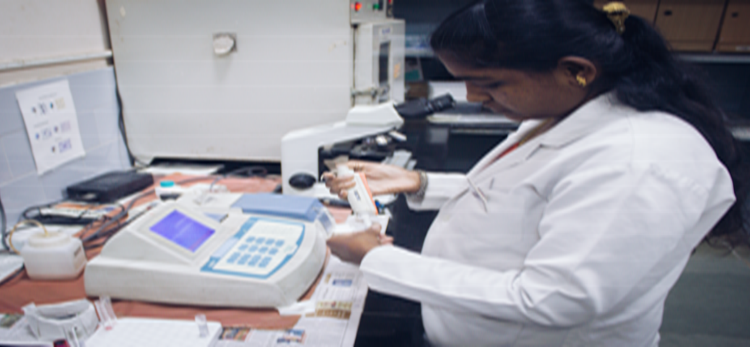
The Haematology Laboratory is equipped with essential facilities for routine hematological investigations and laboratory procedures, including:
- Semiautomatic Haematology Analyser – ERBA Mannheim
- Steam Sterilizer
- Autoclave
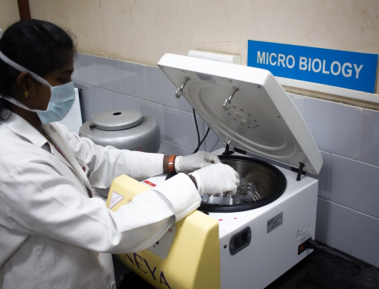
- Digital Centrifuge
- Incubator
- Eppendorf Micropipettes
- Anaerobic Chamber
The laboratory infrastructure supports routine investigations, academic training, diagnostic procedures, and research activities.
Learning & Academic Resources
The department’s combination of lecture halls, student laboratories, postgraduate facilities, pathology museum, microscopic slide collections, clinical facilities, and departmental library provides an integrated learning environment for undergraduate and postgraduate students.
The department continually utilizes its academic and laboratory infrastructure to promote competency-based learning, diagnostic excellence, research, and patient